
I’ve been living in the UK for over a decade now, and if there’s one thing I’ve mastered it’s dressing for the cold without turning into a walking marshmallow. There’s nothing worse than being too hot under layers or too cold because you’ve got the wrong combination. Over the years, I’ve learned that layering isn’t just about adding more clothes—it’s about creating a system that works with your body’s natural heat, protects against wind and rain, and still lets you look effortlessly put-together. Whether you’re heading to work, a weekend hike, or a casual brunch, getting your layers right makes all the difference. Let me walk you through the complete guide to layering for cold weather—because you deserve to stay warm without sacrificing style.

Start with the Right Base Layer
When I think about layering, the first thing I always consider is the base layer—the one that touches my skin. This layer is crucial because it’s responsible for wicking moisture away from your body, which keeps you dry and prevents that clammy, cold feeling. I always opt for moisture-wicking fabrics like merino wool or high-quality synthetic blends; they’re breathable, soft, and don’t pill after repeated washes. The fit is also important—tight enough to hug your body and trap heat, but not so tight that it restricts movement. I’ve learned the hard way that cotton is a no-go, as it absorbs sweat and stays wet, making you feel even colder. If you’re layering for a day out in the snow, this foundation layer can make or break your comfort level, so choose wisely.
Choose the Right Mid-Layer for Insulation
Once the base layer is in place, it’s time to add insulation, and that’s where the mid-layer comes in. This is where I love to experiment with different textures and weights—think chunky knits, fleece, or lightweight down. The goal is to trap warm air close to the body without making you look bulky. I’ve found that a fitted merino wool sweater works beautifully as a mid-layer because it’s naturally insulating and has a clean aesthetic. If you’re going for something more casual, a ribbed knit jumper in a neutral shade is a wardrobe staple that pairs well with jackets. For extra warmth, I sometimes layer a lightweight fleece vest over a long-sleeve shirt, especially in colder climates. The key is to pick mid-layers that are breathable and don’t restrict your range of motion, so you can move freely whether you’re walking through the city or hiking a snowy trail.
Invest in a Quality Outer Shell
The outer shell is the last line of defence against the elements, and it’s where you need to be smart with your investment. I’ve learned that a good waterproof and windproof jacket isn’t just about staying dry—it’s about creating a barrier that maintains your body heat. I always look for a jacket with a durable water repellent (DWR) finish and a breathable membrane like Gore-Tex, which keeps rain out while allowing sweat to escape. In my experience, a slightly longer hem and a hood are game-changers, especially if you’re caught in a sudden downpour. I also prefer a jacket that’s adjustable at the cuffs and waist, so you can seal in warmth when needed. The right outer shell can transform even a simple layered outfit into a serious winter wardrobe hero.
Don’t Forget the Importance of Legwear
Too often, people focus only on the upper body when layering, but your legs need just as much attention. I’ve seen too many people bundle up in thick coats and then stand out in skinny jeans, only to find their legs are freezing. The key is to wear thermal leggings or thick wool tights as a base under your trousers or skirts. I’ve found that fleece-lined leggings are perfect for colder days, while wool-blend tights work well in milder conditions. If you’re wearing a dress or skirt, I always pair it with opaque tights and a pair of thermal socks underneath. And if you’re going out in snow, I’ll layer thermal leggings under jeans, then add tall boots with a thick sole. It’s amazing how much warmth you can gain by just upgrading your legwear—don’t underestimate its role in staying warm all day.
Optimise Your Footwear for Cold Weather
There’s a reason people say “it starts from the feet”—if your feet are cold, your whole body feels it. That’s why I never skimp on footwear in winter. I always go for insulated, waterproof boots with a good grip, especially if I’m walking on icy pavements or snow-covered paths. I’ve found that boots with a thick, insulated lining and a rubber sole are essential for staying warm and stable. I also love wearing wool socks layered over a thin pair of moisture-wicking socks—this double-layer trick keeps my feet dry and prevents blisters. If you’re heading out for a long walk or a ski day, I recommend boots with a removable liner so you can adjust the warmth level. And don’t forget to break them in before winter hits—nothing’s worse than a pair of stiff boots that pinch your toes.
Layering for Different Occasions
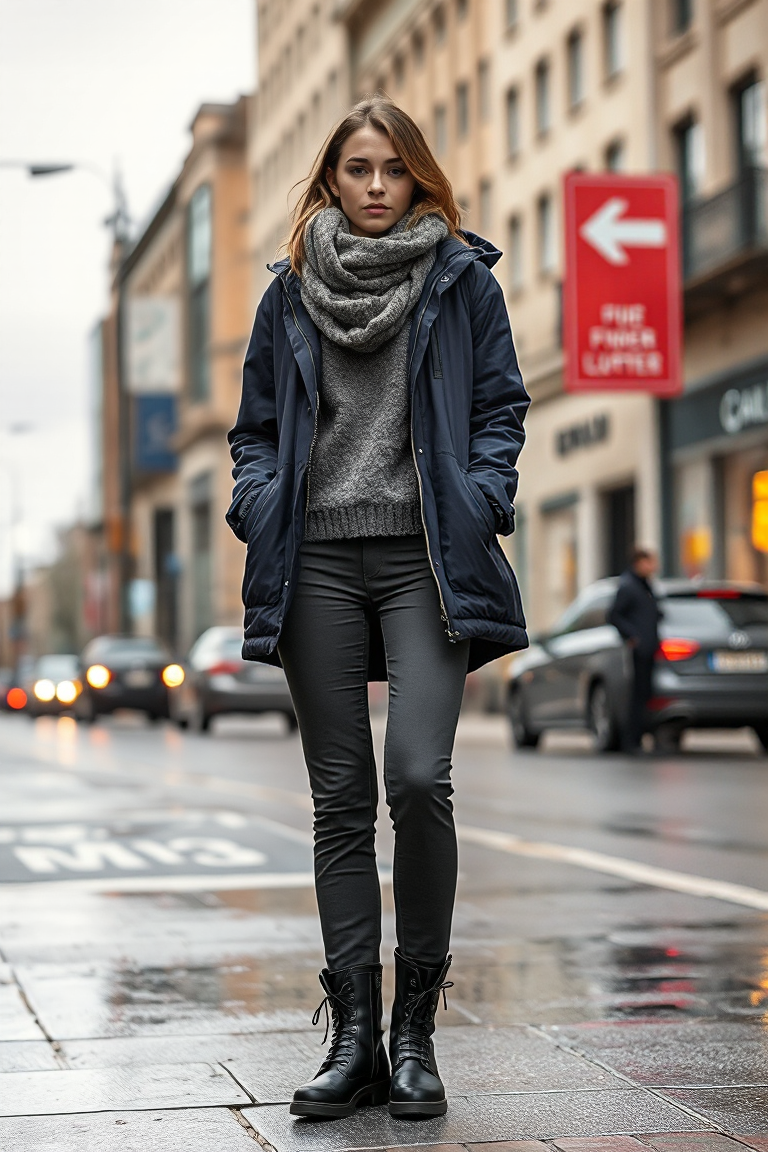
One of the most rewarding things about layering is that it can be adapted for any situation. For a casual day out, I’ll wear a thermal base layer under a lightweight sweater, paired with jeans and a trench coat. If I’m going for something a bit dressier, like a dinner date, I’ll go for a sleek turtleneck layered under a tailored coat, with a pair of fitted wool trousers. For work, I’ll layer a long-sleeve shirt under a fine-knit cardigan, then throw on a structured coat—this keeps me warm without looking overdone. And for weekends, I love a chunky knit jumper layered over a turtleneck, with a puffer vest for extra warmth. The beauty of layering is that you can mix and match based on the occasion, so you’re always dressed appropriately without sacrificing comfort.
Use Accessories to Enhance Warmth and Style
Accessories are the unsung heroes of cold-weather layering—they add warmth without adding bulk, and they can instantly elevate your look. I’ve learned to never skip a good scarf, especially one made from wool or cashmere, as it protects my neck from cold winds. I also love wearing gloves that are insulated but still allow me to use my phone—no one wants to take off their gloves to text. A beanie or a wide-brimmed hat works wonders for trapping heat, and I’ve found that hats with ear flaps are perfect for windy days. And don’t forget a pair of sunglasses—yes, even in winter, the sun can reflect off snow and damage your eyes. A great accessory can make a big difference in how warm and stylish you feel.
Manage Layering for Different Types of Weather
Not all cold weather is the same—rain, snow, wind, or just freezing temperatures each require slightly different strategies. When it’s rainy and cold, I always layer with a moisture-wicking base, followed by a fleece or sweater, and top it off with a waterproof coat. I also make sure my boots are fully waterproof and that I’ve added a rain cover if needed. In snowy conditions, I go for heavier layers, including a down vest or puffer jacket, and I always carry a small towel in my bag to dry my boots if they get wet. For windy days, I wear a windproof jacket and make sure my layers are snug to prevent wind from seeping through. The key is to be adaptable—what works in the city may not work on a mountain hike, so assess the conditions before you leave the house.
How to Avoid Overheating
One of the biggest mistakes people make in winter is overdressing and ending up overheated. I’ve been there—wearing too many layers and sweating through my jacket, only to feel freezing once I stop moving. The trick is to build your layers in a way that allows you to adjust easily. I always wear layers that can be easily removed—like a vest or a lightweight jacket—so I can peel them off when I enter a warm building or start to heat up. I also choose fabrics that are breathable, like merino wool or cotton blends, which help regulate body temperature. And I’ve learned to dress in a way that allows air circulation, avoiding anything too tight or bulky. If you’re going to be moving around a lot, like walking or running errands, it’s better to be slightly underdressed than to sweat and then feel cold later.
Layering for Active Outdoors
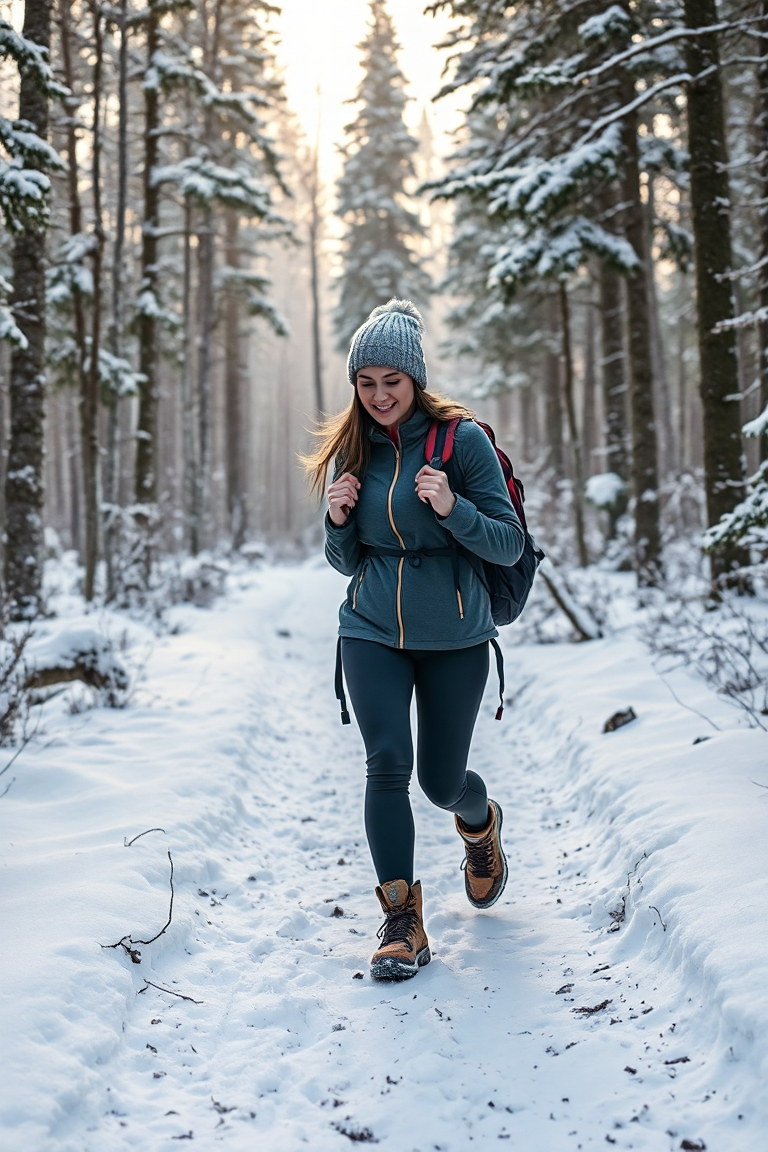
When I’m heading out for a hike or a ski day, my layering strategy changes completely. I always start with a moisture-wicking base layer to keep sweat away from my skin. Then, I add a mid-layer like a fleece or a lightweight down jacket, depending on the temperature. For the outer layer, I go for a technical shell jacket that’s waterproof, windproof, and breathable. I also wear thermal leggings and insulated boots, and I pack a spare pair of socks in case my feet get wet. During the day, I often remove layers as I warm up, so I make sure everything is easy to take off. And I always carry a backpack with a warm fleece blanket and a thermos of hot tea—because nothing beats a warm drink on a cold day. Active layering is all about movement, breathability, and being prepared for changes in temperature.
Styling Layered Outfits for Everyday Life
One of the best parts of layering is that it can be both functional and fashionable. I’ve found that mixing textures—like a chunky knit sweater over a sleek turtleneck, paired with tailored trousers—creates a look that’s effortlessly stylish. I love pairing a fitted coat with a scarf and gloves for a polished finish, or adding a puffer vest to a casual outfit for a touch of modern edge. The key is to keep the colours cohesive—think neutral tones like cream, grey, or navy, which blend beautifully together. I also experiment with layering different lengths, like a long-sleeve shirt under a cropped sweater, or a turtleneck under a high-neck cardigan. When you get the balance right, layered outfits feel put-together without being overdressed.
Frequently Asked Questions
How many layers should I wear in freezing weather?
For freezing temperatures, I recommend a minimum of three layers: a moisture-wicking base layer, an insulating mid-layer, and a waterproof outer shell. Depending on the conditions and your activity level, you may want to add a puffer vest or thermal leggings for extra warmth.
Can I wear a turtleneck as a base layer?
Yes, a turtleneck made from merino wool or a soft blend works perfectly as a base layer. It wicks moisture, retains heat, and provides a smooth foundation for your other layers without being too bulky.
What’s the best way to layer when wearing a skirt or dress?
Start with thermal tights or leggings, then wear a long-sleeve top or sweater underneath. Pair your skirt or dress with a knee-length coat or a long puffer jacket, and add tall boots with thick socks for warmth and style.