
I’ve always been a fan of practical fashion, but over the past couple of years, I’ve found myself gravitating toward one particular winter trend that’s both warm and incredibly versatile—layering a long-line coat. It’s not just a style move; it’s a lifestyle upgrade. I remember the first time I stepped out in a long-line coat layered over a chunky knit and a trench underneath—people turned to look, not because it was flashy, but because it just felt right. There’s something about the way it drapes, the way it balances structure and softness, that makes it instantly modern. Whether you’re heading to work, running errands, or enjoying a winter walk, this layering technique offers both comfort and sophistication.
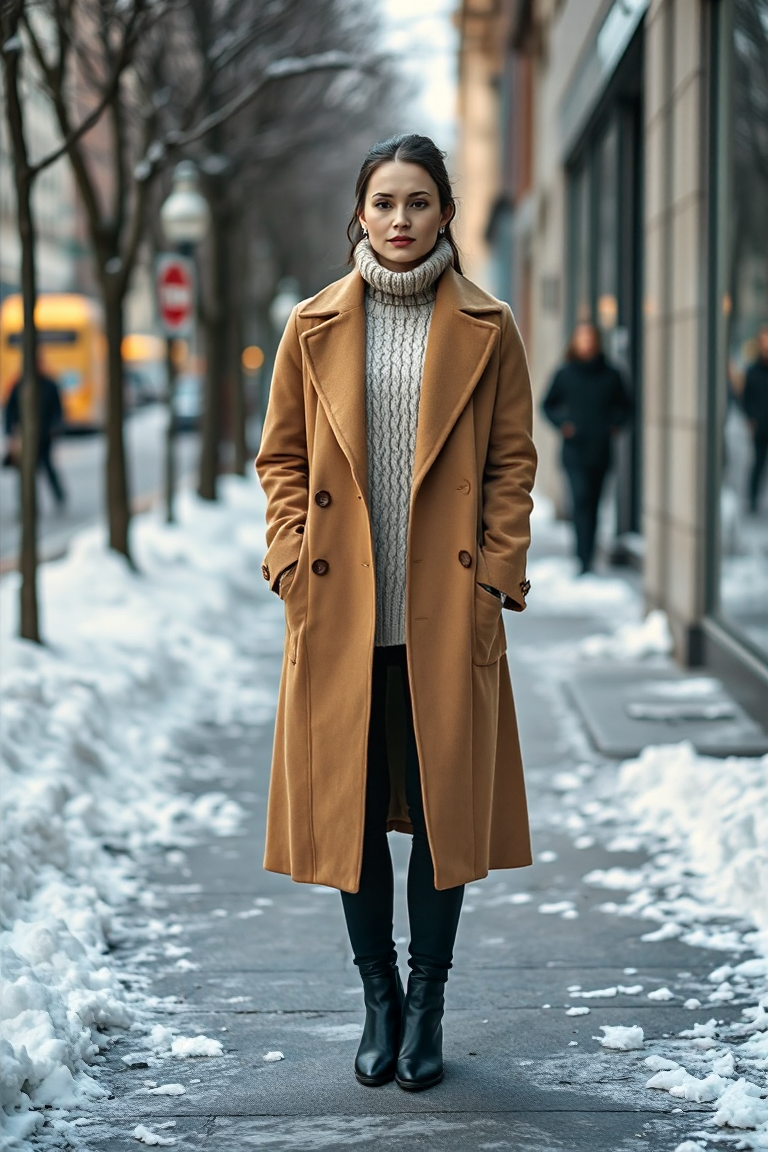
What Is a Long-Line Coat?
A long-line coat is typically defined as a coat that extends to at least mid-thigh or longer—often reaching the knees or even the lower calves. Unlike shorter outerwear, it offers more coverage and a more dramatic silhouette, making it perfect for both urban and countryside settings. I’ve found that long-line coats aren’t just about warmth; they’re about creating a visual statement. The length adds a sense of elegance and poise, especially when paired with the right layers. I’ve worn mine in everything from rainy city commutes to snowy weekends, and the way it flows and moves makes it feel like a second skin. The key is to find one with a tailored fit that still allows room for layering—too tight and you’ll feel cramped; too loose and it’ll look shapeless. I’ve learned that a well-fitted long-line coat should hug the waist slightly and flare just enough at the hem to show off a good pair of boots or trousers. It’s the perfect balance between form and function.
Why Layering Is the Key to Winter Style
Layering isn’t just about staying warm—it’s about creating depth, texture, and dimension in your outfit. When I first started experimenting with layering, I was hesitant, worried it might look bulky or unstructured. But once I embraced the right combinations, I realised how much more interesting my winter wardrobe became. A long-line coat allows you to layer without sacrificing style. I love pairing it with a lightweight sweater, a long cardigan, and a shirt underneath—it creates a rich, layered look that’s both comfortable and visually engaging. The magic happens in the transitions between fabrics: the softness of wool against the smoothness of a silk blouse, the structure of a wool coat over a chunky knit. It’s like building a visual hierarchy, where each piece plays a role. I’ve also noticed that layering helps regulate temperature throughout the day—perfect for unpredictable winter weather. You can easily shed a layer when you’re indoors, without looking overdressed.
Start with a Base Layer That Works
Your base layer is the foundation of any good layered outfit, so it’s worth investing time in choosing the right one. For me, that means focusing on breathable, moisture-wicking fabrics that keep you dry and comfortable. I’ve found that merino wool or high-quality cotton blends work wonders, especially when you’re layering under heavier pieces. I usually start with a fitted turtleneck or a slim-fit long-sleeve shirt—something that sits close to the skin without bunching or shifting. The key is to avoid anything too bulky, because it can create lumps and lumps under your coat. I’ve also started incorporating thermal layers under my base pieces, especially in colder climates. They’re not bulky, but they add a surprising amount of warmth. The trick is to ensure your base layer is snug but not tight—like a second skin—so it doesn’t show through the outer layers. I’ve learned that if your base layer feels right, the rest of the outfit flows naturally from it.
Choose the Right Mid-Layer for Texture and Warmth
The mid-layer is where the real personality of your outfit starts to shine. It’s the layer that adds warmth, texture, and visual interest. I love pairing a chunky knit sweater with a long-line coat—it creates a cozy, lived-in feel that’s both stylish and practical. But it’s not just about the sweater; it’s about the fit and fabric. I’ve found that a slightly oversized knit with ribbed cuffs and a relaxed silhouette works best, because it drapes beautifully over the base layer and doesn’t create bulk. I also experiment with different textures—think cable knit, drop shoulder, or a turtleneck with a high collar. Each one changes the mood of the outfit. For example, a fine-gauge knit with a subtle pattern feels more polished, while a chunky, slouchy sweater gives off a relaxed, boho vibe. The beauty of layering is that you can mix and match to suit your mood. I’ve even started adding a lightweight knit vest over a button-down shirt—it adds a modern twist and keeps things streamlined.
Consider the Length of Your Outerwear
The length of your long-line coat plays a crucial role in how the entire outfit balances. If your coat is too long, it can overwhelm the rest of your look, especially if you’re wearing shorter layers. I’ve learned that the ideal length is one that hits around the mid-calf or just above the ankle—it gives enough coverage without dragging on the ground. I’ve also found that shorter layers work better with longer coats, because it creates a visual contrast that draws the eye downward. For example, pairing a long-line coat with a cropped sweater and high-waisted trousers creates a flattering silhouette. But if you’re wearing a longer sweater, you might want to go for a coat that ends just above the knee to avoid looking shapeless. The key is to consider how each piece interacts with the others in terms of proportion. I’ve experimented with both full-length and knee-length coats, and I’ve found that the knee-length option works best in urban settings, while the full-length version is perfect for colder climates and more formal occasions.
Balance Proportions for a Flattering Look
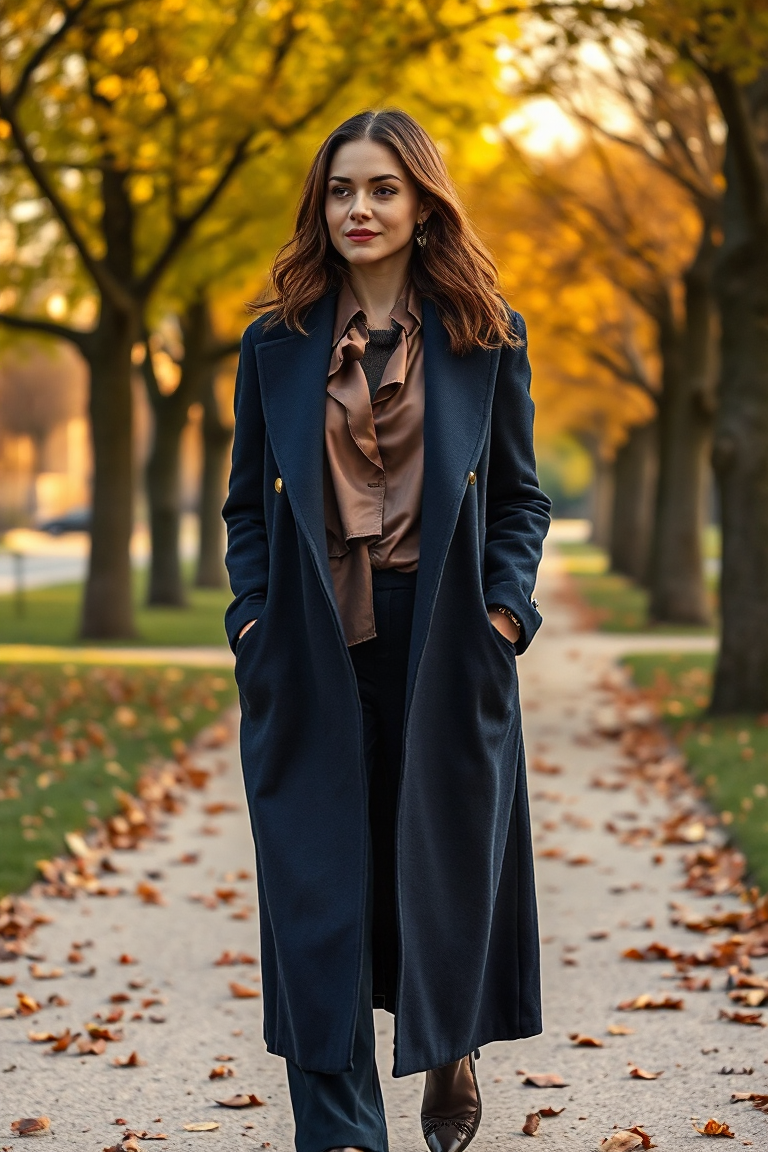
Proportions are everything when it comes to layering. If your outer layer is too long and your inner layers are too bulky, the outfit can look unbalanced and overwhelming. I’ve found that the best way to create harmony is to keep the outer layer slightly looser than the inner layers. For example, I love pairing a fitted long-sleeve shirt with a slightly oversized wool coat—it gives the illusion of volume without overwhelming the frame. I also pay attention to how the layers sit on the body—especially around the waist. A coat that cinches slightly at the waist helps define the silhouette and prevents the look from becoming too shapeless. I’ve also started using belts to create a more defined shape, even with long-line coats. It’s a small detail, but it makes a big difference in how the outfit feels. The goal is to create a look that’s both voluminous and structured—something that feels intentional, not just thrown together.
Play with Fabrics and Textures
One of the most exciting parts of layering a long-line coat is experimenting with different fabrics and textures. I’ve found that combining contrasting materials adds depth and interest to your look. For example, pairing a wool coat with a silk blouse and a cashmere sweater creates a rich, tactile experience that’s both luxurious and functional. I love the way wool feels warm and structured, while silk adds a smooth, flowing element that glides over the skin. Even a simple cotton shirt can add a casual, lived-in feel when layered correctly. I’ve also started incorporating denim or corduroy into my mid-layers—it adds a touch of ruggedness that works well with the elegance of a long-line coat. The key is to mix textures in a way that feels balanced—too many different materials can look chaotic. I’ve learned that three to four distinct textures in one outfit usually strike the right balance between visual interest and cohesion.
Invest in a Versatile Coat That Works All Year
One of the best investments you can make in your winter wardrobe is a long-line coat that can transition from season to season. I’ve found that a classic, neutral-coloured coat—think camel, charcoal, or deep navy—can be worn year-round. In winter, it keeps you warm and stylish; in spring, it adds a sophisticated layer over lighter pieces; and in autumn, it’s the perfect outerwear for crisp days. I’ve also started choosing coats with detachable linings or reversible designs—they give me more versatility without needing multiple pieces. The beauty of a long-line coat is that it can be dressed up or down, depending on the occasion. I’ve worn mine to work with a tailored blazer and trousers, and I’ve also styled it casually with jeans and a chunky sweater. The key is to choose a cut and fabric that can handle different climates and wear styles. Once you find the right one, it becomes the backbone of your wardrobe.
Pair with the Right Footwear
Footwear is often overlooked when it comes to layering, but it plays a crucial role in completing the look. With a long-line coat, your footwear can either elongate your silhouette or add grounding elements to balance the length. I’ve found that knee-high boots are a perfect match—they complement the length of the coat and create a sleek, elongated line. I also love pairing my coats with ankle boots or loafers for a more polished, urban look. The key is to make sure your footwear is in proportion to the outfit—too tall and it can dominate the look; too short and it can get lost. I’ve also started experimenting with boots with a slight heel or a chunky sole—they add a touch of structure without compromising comfort. I’ve learned that footwear can make or break a layered look, so it’s worth taking the time to find the right pair. A well-chosen boot can elevate even the simplest outfit into something truly stylish.
Accessories That Enhance the Look
Accessories are the finishing touches that elevate a layered winter look from good to great. I’ve found that a wide scarf, a structured tote, or a pair of gloves can add personality and warmth without needing to add bulk. I love wrapping a thick wool scarf around my neck—it adds a pop of texture and keeps my collar warm. I’ve also started using a waist bag or a crossbody purse to keep my hands free while adding a functional element. The key is to keep accessories minimal but meaningful—something that complements the outfit, not competes with it. I’ve also found that a wide-brimmed hat or a sleek beanie can add a touch of drama, especially in snowy settings. I’ve learned that accessories are like punctuation marks—they add rhythm and emphasis to the overall look. Choose pieces that reflect your personal style, and you’ll find your layered outfits feel more complete.
How to Style a Long-Line Coat for Different Occasions
One of the best things about a long-line coat is how adaptable it is. I’ve styled mine for everything from casual brunches to evening dinners. For a casual day out, I’ll pair it with a chunky sweater, jeans, and ankle boots—it’s effortless and comfortable. For work, I’ll go for a tailored coat over a button-down shirt and a pencil skirt—it’s polished and professional. And for a night out, I’ll layer it over a silk slip dress with a fitted sweater underneath—it’s dramatic and luxurious. The key is to adjust the layers based on the occasion—lighter fabrics for daytime, richer textures for evening, and structured pieces for formal events. I’ve also found that adding a statement necklace or a bold clutch can make even the simplest outfit feel special. The beauty of layering is that it allows you to dress up or down without needing a completely new wardrobe.
Frequently Asked Questions
Can a long-line coat be worn in warmer climates?
Yes, absolutely. In milder winter climates, you can opt for lighter fabrics like wool blends or cotton, and pair the coat with lighter layers such as a silk blouse or a thin sweater. This keeps you warm without overheating.
How do I prevent my layers from looking bulky?
Stick to slim-fit base layers and avoid overly thick mid-layers. Choose fabrics with natural drape and avoid piling on too many pieces. A well-fitted coat and structured layers help maintain a streamlined silhouette.
What’s the best way to layer a long-line coat over a dress?
Opt for a fitted dress with a high neckline and add a long-sleeve top underneath. Layer with a structured coat that hits at the knee or mid-calf, and finish with tights and ankle boots for warmth and style.