
I’ve lived in places where winter wasn’t just cold—it was relentless. I remember mornings when the frost would cling to my eyelashes before I’d even made it to the bus stop, and I’d spend the day shivering under layers that felt more like a sauna than a wardrobe. But over the years, I’ve learned that staying warm isn’t about wearing bulky clothes—it’s about smart layering. I’ve experimented with everything from thermal base layers to wool coats and even discovered how the right fabrics can make all the difference. In this guide, I’ll walk you through everything you need to know to layer for cold weather, from the science behind it to my go-to outfit combinations.

Why Layering Works Better Than One Thick Layer
When it comes to staying warm in cold weather, one of the biggest mistakes people make is relying on a single bulky jacket. I used to think that was the most efficient way, until I learned that layering actually traps heat far more effectively. The reason is simple: multiple layers create air pockets between the fabrics, and these air pockets act as insulation. Think of it like a thermal blanket—each layer adds a little more warmth, but without the stiffness or bulk. I’ve found that a good base layer keeps sweat away from my skin, while a mid-layer traps heat, and a shell protects against wind and rain. This system works so much better than just piling on clothes, because it allows you to adjust your temperature as you move from indoors to outdoors or during a brisk walk. Plus, you can easily remove or add layers when your body temperature shifts, which helps avoid that sweaty, clammy feeling that happens when you’re overdressed.
Choosing the Right Base Layer for Cold Weather
The base layer is where it all begins, and I can’t stress enough how crucial it is to get this right. I’ve tried cotton before—bad idea. It absorbs moisture and stays damp, which makes you feel cold and uncomfortable within minutes. Instead, I now stick to synthetic materials like polyester or merino wool. Merino wool, in particular, is a game-changer—its natural fibres wick sweat away and regulate temperature so well that I rarely feel cold, even in freezing conditions. I’ve worn merino base layers in temperatures as low as -10°C and never felt a chill. The key is to make sure your base layer fits snugly without restricting movement—this helps trap heat close to your body. For those who sweat easily, I recommend a moisture-wicking fabric that keeps you dry, so you can stay warm without feeling damp. And don’t forget: a base layer isn’t just for your torso. I always wear long-sleeved thermal shirts and even thermal leggings to keep my arms and legs warm from the start.
Choosing the Right Mid-Layer for Warmth
The mid-layer is where the real warmth kicks in, and it’s the layer that makes or breaks your outfit. I’ve found that fleece and down are the top performers here, but they serve different purposes. Fleece is great for wet or humid climates because it dries quickly and holds its warmth even when damp. Down, on the other hand, is the king of insulation when it’s dry and extremely cold, but it loses its insulating power when wet. I like to keep both in my wardrobe, depending on the forecast. A lightweight fleece pullover is perfect for city walks or errands, while a puffy down jacket works wonders when I’m heading to the countryside or skiing. I’ve also discovered that wearing a long-sleeve thermal shirt under a sweater works beautifully—it adds an extra layer without making you look like a marshmallow. And remember, it’s not just about warmth—your mid-layer should allow your arms to move freely, so you can open doors, carry bags, or even take photos on the go.
The Role of Outerwear in Cold Weather Layering
Let’s be honest—your outerwear is the most visible part of your outfit, and it’s also your first line of defence against the elements. I’ve learned that the best outerwear isn’t just about style—it’s about functionality. A good shell jacket should be waterproof, windproof, and breathable, so you stay dry without overheating. I’ve had my share of windproof jackets that kept the cold at bay but made me sweat like a marathon runner—so breathability is just as important as protection. I also prefer jackets with adjustable hoods, cuffs, and a drawstring waist, because they help seal out cold air. For colder days, I’ll wear a heavy-duty parka or a quilted coat with a high collar. And when I’m in a city, I opt for a stylish, tailored coat that still provides warmth. The key is to make sure your outerwear fits over your layers without restricting movement—because nobody wants to feel like a sausage in a casing.
Layering for Different Weather Conditions
One size doesn’t fit all when it comes to cold weather layering. I’ve learned that adjusting your layers based on the weather can make a huge difference. On a dry, sunny winter day, I’ll wear a base layer, a light sweater, and a light jacket—enough to stay warm without overheating. But when there’s wind or snow, I add a heavier mid-layer and a waterproof shell. For freezing, rainy days, I’ll layer a moisture-wicking base with a fleece, then a waterproof jacket with a hood. If I’m going for a hike or outdoor activity, I’ll pack an extra layer in my bag—just in case. I’ve also found that even if the weather seems mild, it can change quickly, so I always keep a lightweight puffer in my bag. The beauty of layering is that you can adapt on the fly. It’s not about guessing what’s coming—it’s about being prepared, so you can stay comfortable whether it’s -5°C or -15°C.
Choosing the Right Fabrics for Each Layer
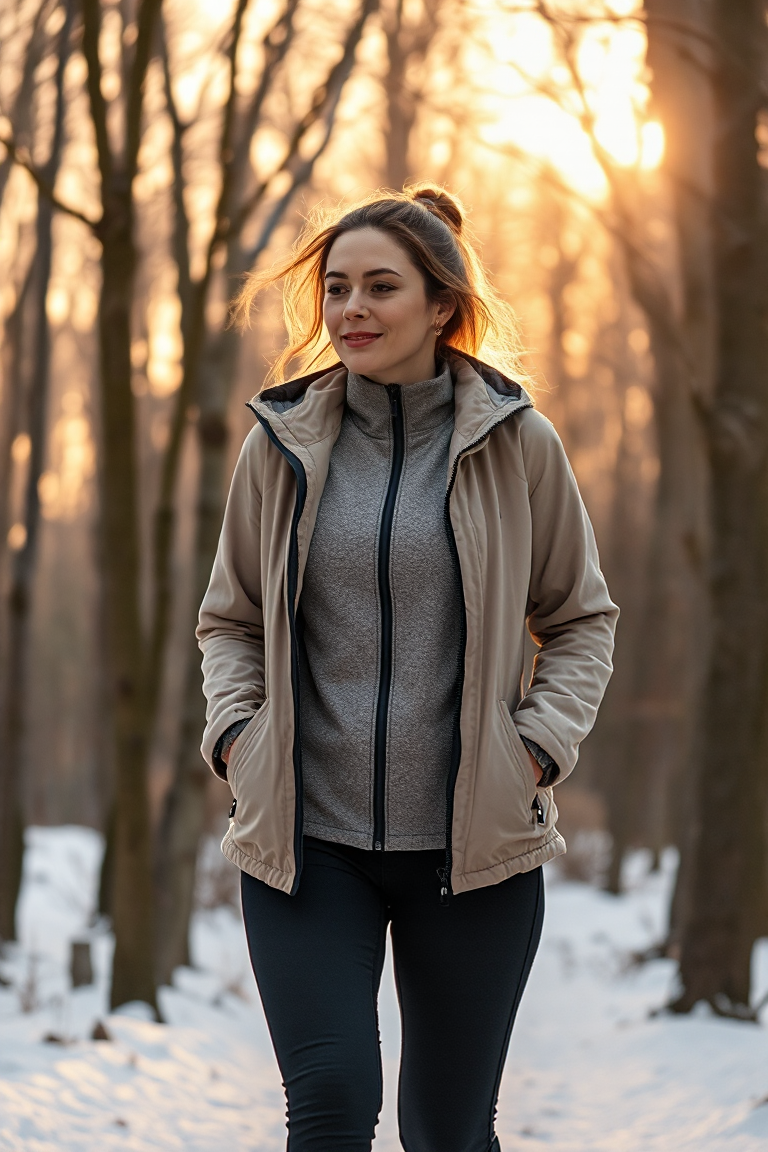
Not all fabrics are created equal, and I’ve learned the hard way that the wrong choice can make or break your winter wardrobe. For base layers, I stick to merino wool or synthetic blends—both wick moisture and keep you dry. When it comes to mid-layers, I love wool, fleece, and silk blends—silky layers add a soft, luxurious feel while still trapping heat. For outerwear, I look for waterproof, windproof materials like nylon or polyester with a durable water repellent (DWR) coating. I’ve also found that blending materials can work wonders—like a wool-blend sweater with a touch of cotton for breathability. And while I love the look of a classic wool coat, I’ve found that some modern fabrics offer the same warmth with less bulk and more durability. It’s also worth noting that certain materials, like cotton and rayon, should be avoided in cold weather because they absorb moisture and hold onto it, leaving you cold and soggy. So always check the fabric composition—your comfort depends on it.
Layering for Different Activities
How you layer depends entirely on what you’re doing. For example, if I’m going for a morning jog, I’ll wear a moisture-wicking base layer, a lightweight fleece, and a windbreaker—something that keeps me warm without restricting my movement. But if I’m heading to a winter wedding or a fancy dinner, I’ll go for a chic, tailored coat layered over a sweater and a silk blouse—elegant and warm, without looking like I’m dressed for a snowstorm. I’ve also found that outdoor activities like skiing or snowboarding require more technical gear—thermal base layers, insulated mid-layers, and waterproof outerwear with a built-in helmet. And for those who spend a lot of time in air-conditioned offices during winter, I suggest wearing a turtleneck or thermal shirt under a blazer—this keeps you warm indoors without needing a full winter coat. The key is to match your layers to your activity—because no one wants to be too hot or too cold when they’re busy.
How to Avoid Bulkiness When Layering
One of the biggest complaints about winter fashion is how bulky it can feel—like you’re wearing a sleeping bag instead of clothes. I’ve definitely felt that way before, but I’ve since learned that it’s not about how many layers you wear, but how you wear them. The trick is to choose slim-fitting base layers and layer them over slim-fit garments—this creates a streamlined look without sacrificing warmth. I’ve also found that wearing clothes with a bit of stretch, like a fitted sweater or a slim thermal shirt, allows for movement without adding bulk. And when it comes to outerwear, I opt for jackets with a tapered fit—this hugs the body and keeps the cold out without making me look like a block of ice. I also avoid wearing bulky knit sweaters under jackets—instead, I’ll wear a lightweight sweater or a thermal layer with a puffer jacket. This way, I stay warm and look stylish, even on the coldest days.
Styling Your Layered Outfits for Fashion
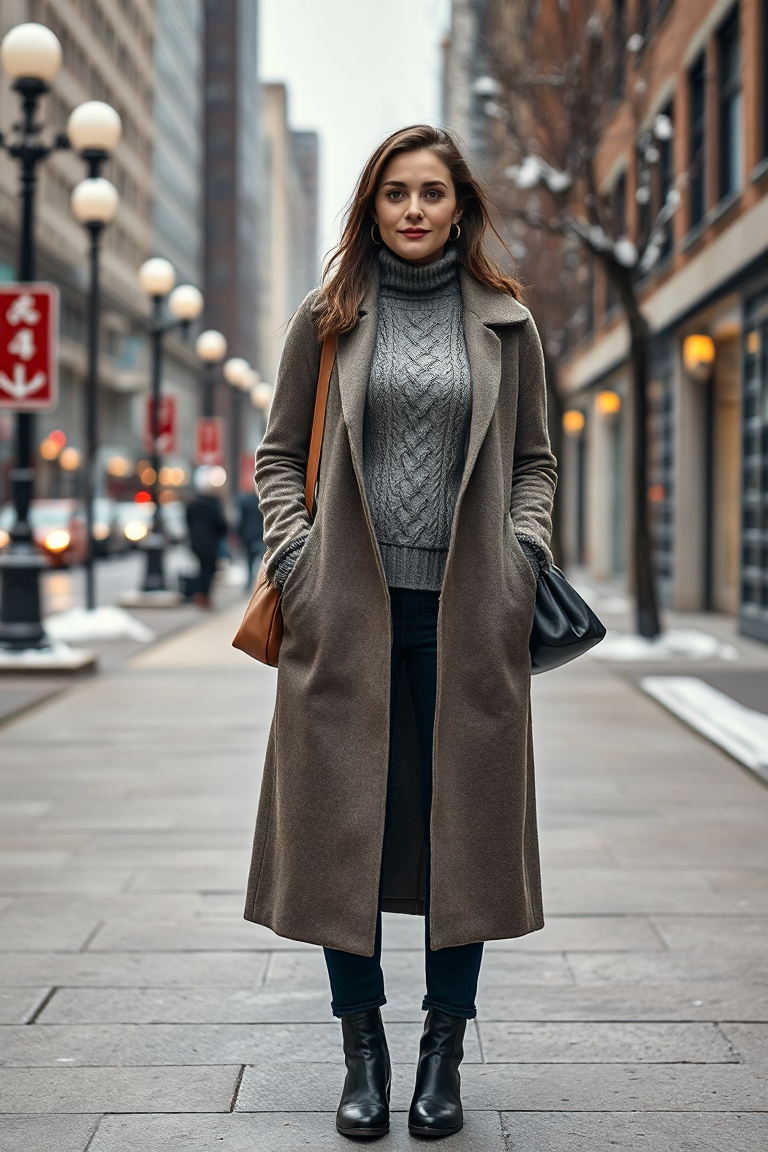
Layering doesn’t have to mean sacrificing style—far from it. In fact, I’ve found that layering gives me more room to experiment with textures and colours. A chunky knit sweater over a turtleneck creates a rich, cozy look, while a lightweight scarf draped over a coat adds a touch of elegance. I love pairing a high-neck thermal shirt with a long coat and a wide-brimmed hat for a chic, winter-ready look. And don’t underestimate the power of accessories—gloves, hats, and scarves can add both warmth and style. I’ve also found that layering allows me to play with proportions—like wearing a long coat over a shorter, fitted sweater, which creates visual interest. And while it may seem counterintuitive, wearing a single statement piece—like a bold-coloured scarf or a textured coat—can make a layered outfit feel cohesive rather than cluttered. The key is to balance warmth with style, so you don’t end up looking like a snowman.
How to Layer for Cold Weather Without Looking
Let’s be honest—no one wants to look like they’re wearing three coats in one. I’ve spent years refining my layering techniques to avoid that puffy, oversized look. One of my best tips is to layer vertically, meaning each layer should be slightly longer than the one beneath it—this creates a flattering silhouette and avoids bulk at the waist. I also recommend wearing slim-fit base layers and pairing them with fitted sweaters or cardigans. When it comes to outerwear, I choose jackets that are tailored—not too wide or too long. I’ve found that a well-fitted parka or a structured coat can be both warm and stylish. Another trick I use is to tuck in my base layer or sweater—this creates a smoother line and prevents the layers from bunching up. And if you’re wearing a bulky coat, make sure the layers underneath are form-fitting, so they don’t bulge out the sides. This way, you stay warm and look sleek, even in freezing temperatures.
Staying Warm Without Sacrificing Comfort
Comfort should never be an afterthought when it comes to cold weather fashion. I’ve learned that the best outfits are the ones that keep me warm, but still allow me to move freely. That means avoiding stiff fabrics and choosing materials that move with you—like soft merino wool or stretchy thermal knits. I’ve also found that wearing foot warmers or thermal socks can make a huge difference, especially if I’m standing still for long periods. And when it comes to shoes, I always opt for insulated boots with good traction—because nothing ruins a winter outfit like slipping on ice. I’ve even started wearing long underwear under my clothes—yes, even on days when it doesn’t feel that cold—because it makes a noticeable difference in comfort. And if I’m going to be outdoors for hours, I’ll wear a scarf and gloves—these small additions can make the world of difference. The bottom line? You don’t have to feel uncomfortable to stay warm. With the right layering, you can stay cozy and comfortable all day long.
Frequently Asked Questions
How many layers should I wear in cold weather?
It depends on the temperature and your activity, but generally, three layers work best: a base layer to wick moisture, a mid-layer for insulation, and an outer layer for protection against wind and rain.
Can I wear cotton in winter?
No, cotton absorbs moisture and stays damp, which makes you feel cold. Stick to moisture-wicking synthetics or merino wool for better warmth and comfort.
How do I stay warm without looking bulky?
Choose slim-fit layers, wear clothes with stretch, and layer vertically. Opt for tailored outerwear and avoid bulky fabrics to keep your look sleek and stylish.