
I’ve been wearing fitted blazers for years now, and every time I slip one on, I feel a little more polished, a little more confident, and honestly, a little more like the version of myself I want to be. There’s something magical about a well-fitted blazer—it has the power to transform a simple outfit into something more intentional, more put-together. Whether you’re heading into the office, meeting friends for brunch, or stepping out for dinner, that single piece can be your secret weapon in elevating your look. It’s not just a jacket; it’s a style statement, a confidence booster, and a wardrobe staple that never goes out of fashion. I’m here to share exactly how you can make a fitted blazer work for you, no matter the season or occasion.

Why a Fitted Blazer Is a Wardrobe Essential
A fitted blazer is one of those pieces that never goes out of style, and for good reason. It’s the ultimate blend of structure and elegance—timeless, versatile, and effortlessly chic. Unlike oversized or boxy styles, a fitted blazer hugs the body in all the right places, creating a streamlined silhouette that enhances your natural shape without overpowering it. I’ve found that wearing a well-fitted blazer instantly gives me a sense of polish, even on days when I’m not feeling my best. It’s like a confidence jacket—put it on, and you walk taller, talk clearer, and feel more in control. Whether you’re dressing for work, a casual lunch, or a night out, a fitted blazer bridges the gap between casual and formal, making it one of the most practical pieces in any wardrobe. It’s the kind of thing you can wear year after year, season after season, and it always looks fresh. Even if you’re not naturally a formal dresser, a good blazer can elevate your everyday style without ever feeling forced.
How to Find the Perfect Fit
Getting the right fit is everything when it comes to a fitted blazer. A blazer that’s too tight will feel restrictive and pull at the seams, while one that’s too loose will look sloppy and unflattering. I’ve made the mistake of buying a blazer that was too narrow across the shoulders, and it ended up looking like I was wearing a costume. The key is to check the shoulder seam first—this should land right where your shoulder ends, not drop down your arm. From there, the jacket should sit smoothly across your chest and back, with just enough room to allow movement. You should also be able to fasten the top button without straining. If you can’t, the blazer is likely too tight in the torso. Another thing to consider is sleeve length—your blazer sleeves should fall just past the base of your thumb when your arms are relaxed. If they’re too long, they’ll bunch up, and if they’re too short, it’ll look like you’re wearing a costume. I always recommend trying on multiple sizes and styles—sometimes a blazer that’s slightly bigger in the chest but narrower in the waist will work better than one that’s perfectly sized in every area. Tailoring is also your best friend here; even a blazer that’s slightly off can be adjusted to fit like a dream.
Choosing the Right Fabric for Your Climate
The fabric of your blazer makes a huge difference in how it feels and how it looks, so it’s worth considering your climate and lifestyle when selecting one. Lighter fabrics like cotton or linen are perfect for warmer months—they’re breathable, easy to wear, and keep you cool without sacrificing style. I love wearing a linen-blend blazer on summer evenings for dinner—it drapes beautifully and has that relaxed, effortless vibe. On the other hand, for colder months, wool or wool-blend fabrics provide warmth and structure while still looking refined. I have a wool blazer that I wear from October through March, and it’s incredibly versatile—layered over a turtleneck for the office, or with a simple sweater and jeans for weekend errands. If you live in a humid climate, you might want to avoid heavier fabrics that trap heat, while those in cooler regions will appreciate the insulation of a thick wool. There’s also a range of modern fabrics now that blend natural fibers with synthetic ones for added durability and wrinkle resistance. I’ve found that a cotton-wool blend strikes the perfect balance—lightweight enough for spring but warm enough for winter, and it holds its shape well even after multiple wears.
Color Palette: Beyond Classic Black and Navy
While black and navy are timeless staples, don’t be afraid to experiment with other colours when choosing a fitted blazer. A camel or taupe blazer, for instance, is perfect for creating a neutral, earthy look that’s soft and sophisticated. I recently added a soft grey blazer to my wardrobe, and it’s become one of my most worn pieces—it pairs beautifully with everything from light denim to silk trousers. If you want to make a bold statement, consider a deep burgundy, olive green, or even a subtle pastel like dusty rose. These colours add personality to your outfit without being too loud. I’ve found that warm tones like camel and ochre work especially well with natural light and complement my skin tone, giving me a sun-kissed glow even on grey days. The key is to match your blazer colour to your wardrobe and your lifestyle—neutral tones are great for versatility, while bolder shades can serve as a focal point in a monochrome outfit. You can also play with texture—like a tweed or herringbone pattern—which adds depth and visual interest even in a classic colour.
Layering a Fitted Blazer with Casual Outfits
One of the best things about a fitted blazer is how effortlessly it can elevate a casual look. I love pairing mine with a simple white tee and straight-leg jeans—just enough structure to look intentional, but still relaxed and comfortable. Throw on some leather loafers or ankle boots, and you’ve got a look that’s polished without being overdone. You can also layer it over a long-sleeve shirt or a lightweight sweater for added dimension, especially in cooler weather. The blazer adds a touch of formality that instantly lifts the entire outfit, turning a laid-back ensemble into something more refined. I’ve even worn mine over a graphic tee and a midi skirt—perfect for a creative workplace or a casual dinner out. The trick is to keep the rest of the outfit simple so the blazer can take centre stage. Avoid anything too bulky underneath, and make sure the fit remains clean and tailored. A little tailoring or a well-placed belt can also help cinch the waist and create a more defined silhouette, especially if you’re pairing it with looser pieces.
Fitting a Blazer for the Office
When it comes to the office, a fitted blazer is your go-to for projecting confidence and professionalism. I always opt for a structured, tailored silhouette that sits neatly on the shoulders and flows smoothly down the back. A single-breasted blazer in a neutral shade like charcoal, navy, or grey is a safe bet, but don’t be afraid to add a subtle pop of colour or pattern if your workplace culture allows. I’ve found that pairing a fitted blazer with a silk blouse and tailored trousers creates a look that’s both powerful and feminine. The key is balance—ensure the rest of your outfit isn’t too busy, and let the blazer be the statement piece. I also recommend paying attention to sleeve length and collar shape—longer sleeves and a notched collar tend to look more formal, while a shawl collar or shorter sleeves can add a modern twist. If you’re in a creative field, you can experiment with textures like wool, velvet, or even a light linen blend. Just remember: the fit should be sharp, the fabric should feel substantial, and the overall look should reflect your personal style while still aligning with your workplace expectations.

Styling a Fitted Blazer for Evening Wear
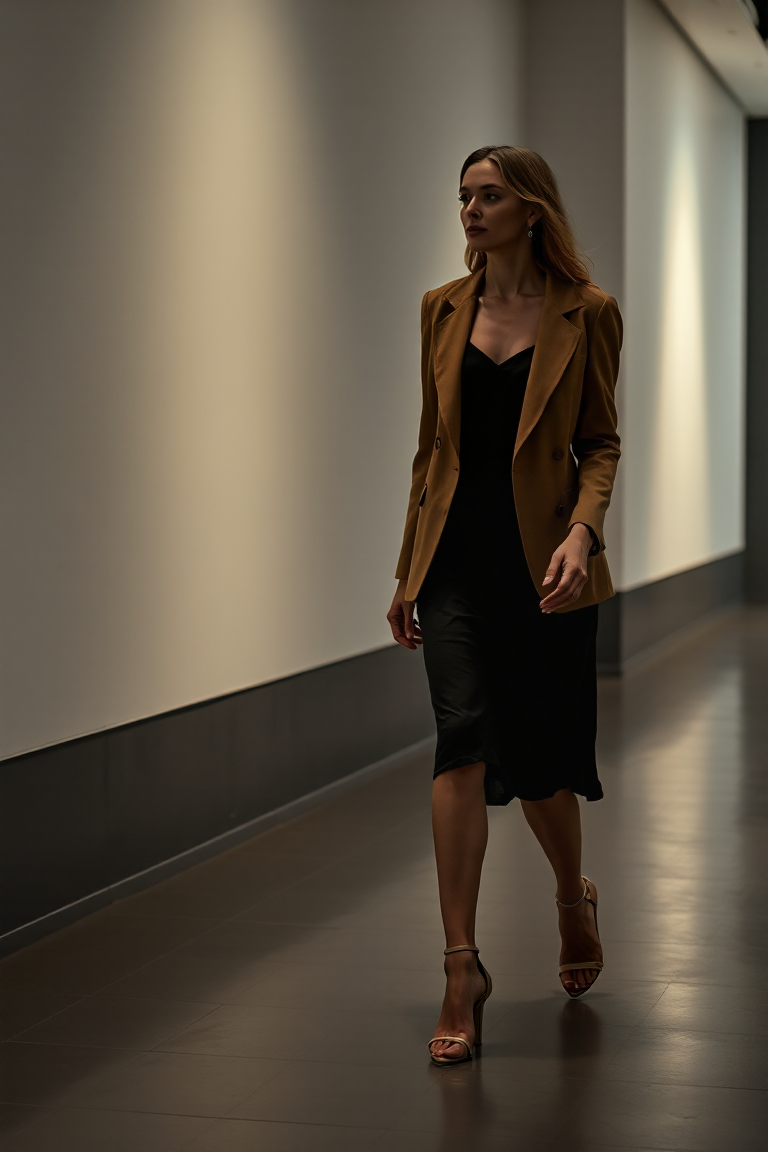
A fitted blazer can be just as elegant for evening events as it is for daywear—especially when styled with the right pieces. For a dinner date or a cocktail party, I love pairing my blazer with a silk slip dress or a sleek sheath dress in a deep jewel tone like emerald or sapphire. The contrast between the structured blazer and the fluid fabric of the dress creates a beautiful visual balance. Add some strappy heels and a statement clutch, and you’re ready to go. I’ve also worn mine over a velvet jumpsuit for a more modern, fashion-forward look—perfect for an art gallery opening or a holiday party. The trick here is to keep the rest of the outfit relatively simple so the blazer remains the focal point. Avoid overly patterned pieces, and stick to one or two textures that complement each other. A tailored blazer in a rich fabric like satin or brocade can add instant glamour without being too flashy. And don’t forget about accessories—delicate gold jewellery or a sleek clutch can elevate the entire look without overwhelming it.
Accessorizing to Enhance the Look
Accessories are where you can really make a fitted blazer your own. A well-chosen scarf, for example, can add a pop of colour and texture to an otherwise neutral outfit. I love a silk scarf tied around the neck or loosely draped over the shoulders—it adds elegance and dimension. A statement necklace can also work wonders, especially if you’re wearing a simple top or a t-shirt underneath. For a more polished look, try a thin belt cinched at the waist to create a defined silhouette. I’ve found that a leather belt in a complementary shade can make a blazer look more tailored and intentional. Of course, footwear plays a big role too—oxford shoes, loafers, or pointed-toe pumps can elevate the outfit, while ankle boots or flat sandals keep things casual. I always carry a small, structured handbag that matches the tone of the blazer—whether it’s leather, suede, or a woven material—and it helps tie the whole look together. The key is to keep the accessories intentional and cohesive—they should enhance the outfit, not distract from it.
Blazers for Different Body Types
One of the great things about a fitted blazer is that it can be flattering on all body types when styled correctly. For those with an hourglass figure, a tailored blazer that accentuates the waist is ideal—it creates a beautiful curve and highlights your natural shape. If you have a pear shape, look for a blazer with structured shoulders and a slightly flared hem to balance out the lower body. I’ve found that a blazer with a notched lapel and a single button works wonders for this silhouette. For those with a straight or athletic build, a double-breasted blazer can add visual width and create the illusion of a more defined waist. I’ve also seen great results with blazers that have a slightly cropped length, which helps to break up the silhouette and create more proportion. And for those with a fuller figure, a blazer with a soft drape and a longer length can be incredibly flattering—opt for a fabric with a little stretch to ensure comfort and ease of movement. The key is to find a blazer that fits the body, not the other way around.
How to Care for Your Fitted Blazer
Investing in a good fitted blazer means taking care of it properly so it lasts for years. First, always check the care label—some fabrics can be dry-cleaned only, while others can be hand-washed or machine-washed on a gentle cycle. I keep my blazers on sturdy hangers to maintain their shape, and I never leave them crumpled in a bag or on the floor. After wearing a blazer, let it air out for a few hours—this helps prevent odours and reduces the need for frequent cleaning. If you get a light stain, spot-clean it with a damp cloth and mild detergent—don’t rub too hard, or you might damage the fabric. I also recommend using a fabric shaver or lint roller to remove any pills or lint that build up over time. When storing your blazer, keep it in a breathable garment bag to protect it from dust and moths. And if it starts to look a little dull, a good steam or gentle ironing can revive it—just be careful not to overheat delicate fabrics. With a little TLC, your blazer will stay looking sharp and looking great for seasons to come.
Wearing a Fitted Blazer in Different Seasons
A fitted blazer is incredibly versatile when it comes to adapting to different seasons. In spring, I love pairing mine with a lightweight cotton shirt and light-wash jeans—perfect for a breezy day out. For summer, a linen or cotton-blend blazer in a light colour works beautifully—it’s cool, breathable, and still adds structure to a casual outfit. I’ve also worn mine over a sleeveless dress with a scarf for a transitional look when the weather is unpredictable. In autumn, I layer it over a turtleneck or a chunky knit sweater with corduroy trousers—warm, stylish, and perfect for the cooler months. And in winter, I opt for a wool or wool-blend blazer, often paired with a wool scarf and tall boots for added warmth. The key is to match the fabric and layering to the season—lighter materials for warmer months, heavier ones for colder ones. And don’t forget about colour—pastels and neutrals work well in spring and summer, while deeper tones like burgundy and charcoal are more appropriate for fall and winter. With a few wardrobe adjustments, a single blazer can see you through the entire year.
Building a Capsule Wardrobe Around a Fitted Blazer
A fitted blazer can serve as the foundation of a capsule wardrobe—simple, sustainable, and endlessly versatile. I’ve built mine around a neutral-toned blazer in charcoal grey, which pairs beautifully with everything from black trousers to cream skirts. From there, I’ve curated a collection of timeless pieces: tailored trousers, silk blouses, classic tees, and a few statement dresses. The beauty of a capsule wardrobe is that you can mix and match everything, creating countless outfits with minimal effort. I’ve found that this approach not only saves time and money but also helps me feel more intentional about my style. A single blazer can become the anchor of a dozen different looks, simply by changing the layers underneath and the accessories you pair it with. I’ve even created themed outfits—like a monochrome look with a white blouse and black trousers, or a soft, earthy palette with camel and oatmeal tones. The result? A wardrobe that’s both practical and stylish, with a look that’s always fresh and never overdone.
Frequently Asked Questions
How do I know if a blazer fits properly?
Check the shoulder seam—it should sit right at the edge of your shoulder, not droop down your arm. The jacket should be snug across the chest and back but allow room for movement. You should be able to fasten the top button without pulling the fabric. Sleeves should end just past the base of your thumb when your arms are relaxed.
Can a fitted blazer be worn casually?
Absolutely. Pair it with a simple t-shirt, jeans, and loafers for a smart-casual look. A blazer instantly elevates a casual outfit, making it feel more polished and intentional without being formal.
What’s the best fabric for a year-round blazer?
Wool or a wool blend is ideal—it’s warm enough for winter but breathable enough for spring and autumn. A cotton-wool mix offers versatility across seasons while maintaining structure and comfort.