
I’ve always believed that the smallest details make the biggest difference when it comes to style. There was a time I’d wear the most beautifully tailored dress, only to walk into a room feeling like something was missing. And then I realised—my accessories were the missing piece. It wasn’t about quantity, but about knowing how to layer them thoughtfully. Over the years, I’ve learned that accessories aren’t just add-ons; they’re the soul of a look. They add personality, highlight your best features, and can instantly transform a simple outfit into something truly memorable. Whether it’s a pair of earrings that catch the light or a scarf that adds a pop of colour, the right accessory can make you feel like you’re stepping out in style every single time.

Why Accessories Matter in Your Style Game
Accessories are the unsung heroes of any outfit. They can elevate a plain t-shirt and jeans into a polished ensemble, or take a formal dress from elegant to unforgettable. I’ve seen outfits completely transformed by the addition of a bold necklace or a well-chosen handbag. They’re not just decorative—they’re functional, too. A statement ring can draw attention to your hands, which is especially helpful if you’re trying to shift focus away from a less flattering area. And don’t underestimate the power of a scarf: it can warm you up on a chilly day while simultaneously adding texture and depth to your look. Accessories also allow you to express your mood or personality without saying a word. A pair of oversized sunglasses says, “I’m cool and confident,” while a delicate bracelet might whisper, “I love subtle elegance.” They’re like little style confetti sprinkled across your outfit, making it uniquely yours. The trick is knowing when to use them and how to balance them so they enhance rather than overwhelm.
Start with the Basics: Essential Accessories to Own
Building a versatile accessory collection starts with the essentials. I always recommend beginning with a few key items that work across seasons and occasions. A classic white button-down shirt, a well-fitted blazer, and a neutral tote bag are non-negotiable. But accessories? That’s where the magic really begins. First, invest in a few quality necklaces—short, medium, and long lengths—because they can be worn alone or layered. A pair of simple hoop earrings is endlessly wearable, while a pair of stud earrings offers a more understated option. You’ll also want a versatile watch with a leather strap, which adds a touch of sophistication and keeps you on time—because style without practicality is just… pretty. Don’t forget a pair of classic black heels or sleek loafers; they’re the foundation of countless looks. And finally, a slim leather belt can be used to cinch a dress or define a waistline. These basics form the backbone of your accessory wardrobe and are the building blocks for creating countless combinations.
Understanding Your Body Shape and How Accessories Can Flatter It
One of the most powerful tools in accessorising is understanding your body shape and how certain pieces can enhance your natural silhouette. I’ve learned that different necklines and accessories can either elongate or balance certain areas. If you have a pear-shaped body, for example, adding a statement necklace or a bold pendant can draw attention upward, creating the illusion of a more balanced frame. For those with an hourglass figure, a thin belt can accentuate the waist, while a long dangle earring adds drama without overwhelming. If you’re petite, avoid chunky jewellery or oversized bags that can overpower your frame—opt for smaller, delicate pieces instead. On the other hand, if you’re taller, you can get away with bolder accessories, like wide-brimmed hats or large hoop earrings. The key is to use accessories to highlight your best features and create visual balance. Think of them as your personal stylist’s secret weapon.
Colour Coordination: How to Match Accessories to Your Outfit
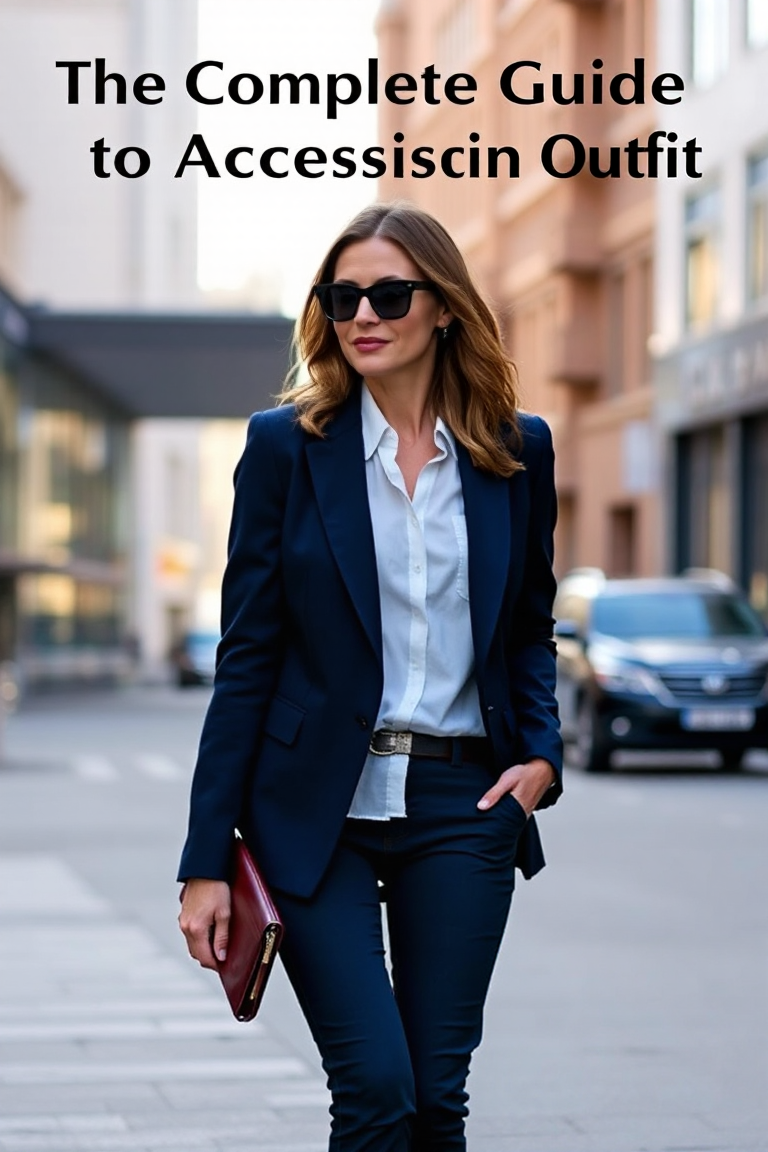
Matching accessories to your outfit isn’t about copying every colour—it’s about creating harmony. I’ve found that the easiest way to start is by picking a main shade from your outfit and adding a complementary accent. For instance, if you’re wearing a navy blazer, a pop of gold jewellery can add warmth and contrast without clashing. You can also use a neutral accessory to tie everything together—like a beige scarf or a taupe handbag—especially when you’re mixing patterns or bold colours. If your outfit is monochrome, introduce a pop of colour through a bright clutch or a pair of earrings. And don’t be afraid to use metallics—they’re neutral enough to go with almost anything. Silver, gold, and rose gold can all be used to elevate a look, depending on your skin tone. The goal is to make your accessories feel intentional, not random. When they complement your outfit, they become a natural extension of your style.
Layering Jewelry: The Art of Mixing Metals and Textures
Layering jewellery is one of my favourite ways to add depth and interest to an outfit. I used to think you should only wear one necklace or a pair of earrings, but I’ve since learned that layering can create a truly personalised look. The trick is to mix metals and textures—think gold chains with silver bracelets, or a delicate chain with a chunky pendant. I like to start with a basic chain and layer it with shorter necklaces in different lengths. You can also stack rings on your fingers, or wear a few bracelets on one wrist. The key is balance: avoid overcrowding one area, and make sure the pieces don’t clash. For example, if your outfit is already busy with prints or textures, keep your jewellery minimal. But if you’re wearing a simple black dress, go bold with layered necklaces and statement earrings. The most important thing is to wear what feels right—your jewellery should reflect your mood and personality.
Choosing the Right Bag for Every Occasion
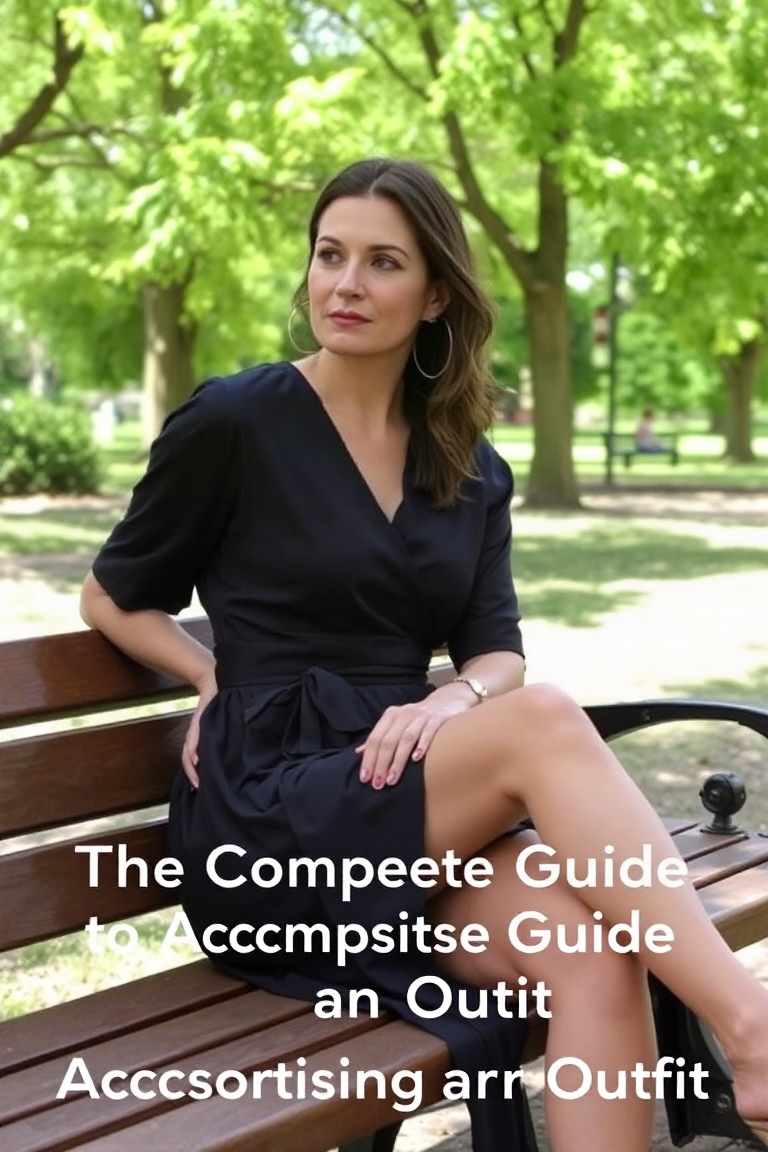
Choosing the right bag is like picking the perfect partner—someone who fits your lifestyle, your outfit, and your mood. I’ve learned that the size, shape, and material of your bag can make or break an outfit. For a day at the office, I always go for a structured tote or a crossbody bag—it’s practical, keeps my essentials close, and looks polished. If I’m heading out for dinner, I switch to a clutch or a small evening bag that’s sleek and sophisticated. And when I’m travelling or running errands, I reach for a large tote with plenty of pockets. The material matters too: leather feels luxe, canvas is casual, and snakeskin adds a touch of drama. I also pay attention to colour—neutral shades like black, brown, or taupe go with everything, while a pop of colour can make your look more playful. And don’t forget the strap length—long straps for crossbody wear, shorter ones for hand-carrying. The right bag doesn’t just hold your things—it completes your look.
Shoes as Accessories: More Than Just Footwear
Shoes are more than just something to wear on your feet—they’re a key accessory. I’ve seen outfits completely transformed by a pair of shoes: a pair of strappy heels can make a summer dress feel more glamorous, while chunky boots can add edge to a simple denim look. The style of shoe you choose should match the overall vibe of your outfit. For example, if you’re wearing a flowy midi dress, pointed-toe flats can keep the look feminine and polished. But if you’re wearing a tailored blazer and jeans, combat boots add a modern twist. I also love the idea of colour-blocking with shoes—like pairing a white skirt with red loafers to create a bold statement. Even the material can make a difference: patent leather shines, suede softens, and metallics sparkle. When you choose shoes thoughtfully, they become the finishing touch that ties your entire look together.
Headwear: Hats, Scarves, and Hair Accessories
Headwear is one of the most overlooked yet powerful accessories in your wardrobe. I remember the first time I wore a wide-brimmed hat—it instantly made me feel like a vintage movie star. Hats, scarves, and hair accessories can add character and texture to any outfit. A wide-brimmed sun hat is perfect for summer days, while a beanie or beret works wonders in winter. Scarves are incredibly versatile—wear them around your neck, tied in your hair, or even as a belt to define your waist. I love using a silk scarf with a simple t-shirt and jeans to instantly add elegance. Hair accessories like clips, headbands, or decorative pins are also great for softening a look or adding a touch of fun. They’re particularly useful if you want to elevate a casual outfit without going overboard. The key is to choose something that reflects your personality and complements your outfit’s tone.
Seasonal Accessories: What to Wear When
Accessories should reflect the season as much as your clothing does. In spring, I love light scarves, pastel-coloured bags, and delicate floral earrings—pieces that feel fresh and airy. Summer calls for bold colours, oversized sunglasses, and woven handbags—anything that keeps you cool and stylish. Autumn is the perfect time to introduce leather gloves, chunky scarves, and statement earrings in rich jewel tones. And in winter, I reach for a fur-trimmed coat, a warm hat, and a pair of heeled boots that keep my feet warm and my look polished. I also adjust my jewellery choices—lighter metals in summer, darker golds in winter, and warmer tones in autumn. The idea is to use your accessories to enhance the season’s mood—whether that’s bright, breezy, cozy, or dramatic. Your accessories should feel like a natural part of your seasonal wardrobe.
Confidence is the Best Accessory You Can Wear
At the end of the day, the most important accessory you can wear is confidence. I’ve seen people wear the most modest outfits with a radiant smile and a strong posture, and they look absolutely stunning. Accessorising is about feeling good in your skin, not about conforming to trends. If you feel confident in your choices—whether it’s a bold earring or a simple bracelet—people will notice. That’s because confidence is contagious. It makes your outfit feel complete, no matter how simple or elaborate it is. So don’t be afraid to experiment, try new things, and trust your instincts. Your accessories should reflect your personality, your mood, and your story. The more you wear them with confidence, the more they’ll enhance your look and boost your self-esteem.
Common Accessory Mistakes to Avoid
Even the most well-dressed people make accessory mistakes—believe me, I’ve done my fair share. One of the biggest errors is over-accessorising. I used to wear five necklaces, three bracelets, and a pair of earrings all at once, thinking more was better. But it just looked cluttered and chaotic. Another common mistake is mismatching metals—wearing gold and silver together without considering the overall effect. You can mix metals, but do so thoughtfully. Also, avoid letting accessories overpower your outfit. A tiny dress with an oversized bag or a bold necklace can throw off the balance. And don’t forget about comfort—no one wants to wear a necklace that digs into their neck or earrings that are too heavy. Finally, avoid buying accessories based solely on trends. Stick to pieces that suit your personal style and will last through seasons. The goal is to look intentional, not trendy.
Frequently Asked Questions
How do I know if I’m over-accessorising?
Ask yourself if your outfit feels balanced. If your jewellery, bag, and shoes all compete for attention, or if you’re wearing too many bold pieces at once, you might be over-accessorising. Start with one statement piece and build from there.
Can I wear multiple necklaces at once?
Absolutely, but with balance. Layer necklaces of different lengths and styles—like a delicate chain with a longer pendant or a choker with a longer piece. Avoid too many bulky or loud pieces in one area.
What’s the best accessory for a minimalist outfit?
For a minimalist look, choose one or two key pieces—like a simple gold bracelet, a delicate ring, or a sleek watch. These subtle additions can elevate the outfit without overwhelming it.