
There was a time when I’d see a bold floral dress in a shop window and walk straight past, convinced it was too loud, too busy, or just not me. I’d stick to my trusty black trousers and a plain white tee, safe and predictable. But then I discovered that confidence isn’t about hiding your personality—it’s about expressing it. And for me, that meant embracing prints and patterns in a way that felt authentic, not over the top. Now, I wear a printed midi dress with confidence, layer a geometric scarf over a tailored coat, or rock a polka-dot blouse with jeans, and I feel like the best version of myself. If you’ve ever hesitated at the sight of a busy print or worried about looking ‘too much’, this guide is for you. I’ll walk you through how to choose, mix, and wear patterns with poise and style—because fashion should feel fun, not fear-inducing.

Start with Your Comfort Zone
When it comes to prints and patterns, the first step is to acknowledge where you’re at. If you’re used to neutral tones and simple silhouettes, jumping straight into a full-on leopard print or a busy abstract print might feel overwhelming. That’s okay—start small. Begin with one piece that adds a subtle pop of pattern, like a silk scarf, a pair of patterned socks, or a blouse with a delicate dot or stripe. These items introduce texture and interest without demanding too much attention. I started with a tiny checkered button-down—just enough to feel like I was experimenting, but not so much that I felt out of place. As you grow more comfortable, you’ll notice that your confidence expands too. It’s not about changing who you are; it’s about layering in a little more of what makes you feel good. Remember, confidence isn’t built in one bold move—it’s earned through small, deliberate steps.
Understand the Types of Patterns
Not all prints are created equal, and knowing the difference can make a world of difference in how you wear them. Stripes, polka dots, florals, checks, animal prints, and abstract designs each have a distinct personality and a different way of reading on the body. For instance, vertical stripes can be slimming and elongating, while large florals often draw attention to the upper body. Checks and plaids tend to be more structured and formal, making them great for smart-casual outfits. Animal prints, like leopard or snakeskin, pack a punch and work best as statement pieces. I’ve found that knowing the character of each pattern helps me choose the right one for the right moment. If I’m heading to a relaxed brunch, I’ll go for a soft floral or a subtle stripe. For a night out, I might opt for a bold geometric or a striking animal print. The key is to match the pattern to the mood of the occasion.
Choose Patterns That Suit Your Body Shape
One of the most empowering realisations I had was that certain patterns can enhance your silhouette, while others might unintentionally highlight areas you’d rather downplay. For example, if you’re petite, large-scale prints can overwhelm your frame, while small, delicate patterns can make you look more proportionate. Conversely, if you’re taller, you can carry larger prints with ease—think full-length dresses with oversized florals or wide-leg trousers with a bold print. Vertical patterns can help create a more streamlined look, while horizontal stripes can add width. I’ve learned to pair wide-leg trousers with a slim-fit top to balance my proportions, and I avoid anything too busy across the middle if I want to feel more elongated. It’s all about understanding how a pattern interacts with your natural shape, and using that knowledge to flatter your body in the most flattering way possible.
Use a Neutral Base to Balance Bold Prints
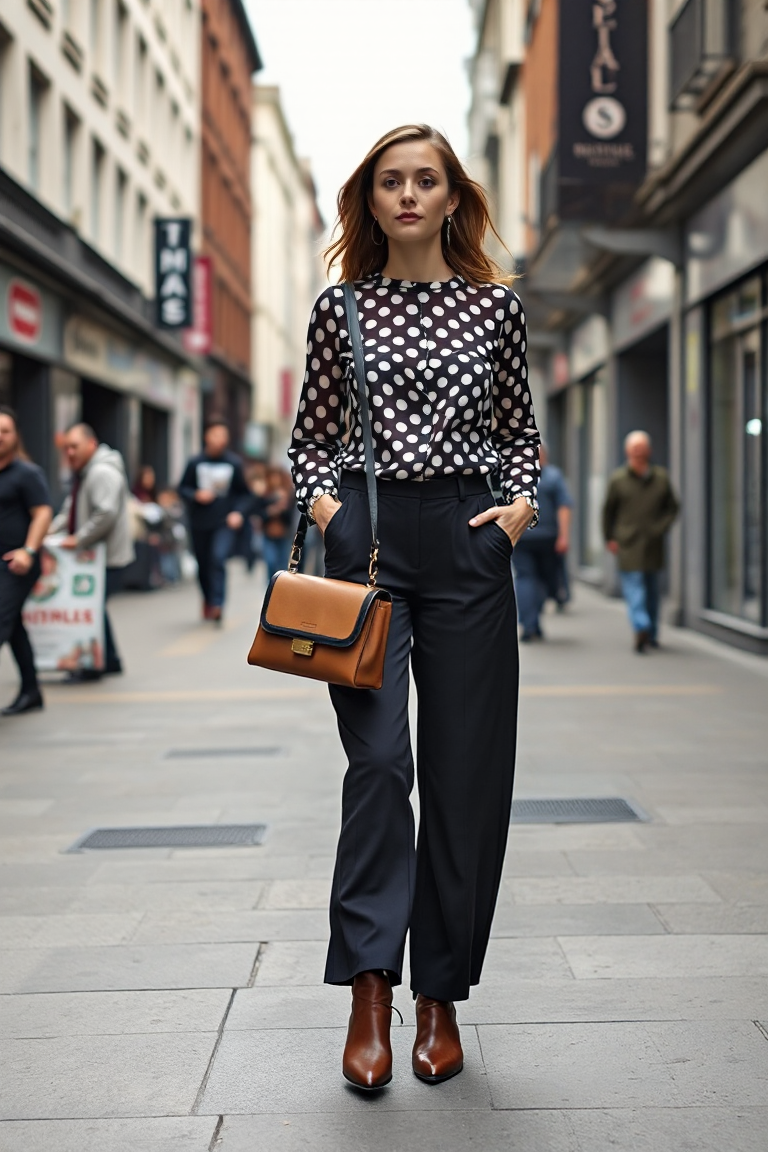
One of the most effective styling tricks I’ve adopted is using neutral colours as a foundation. When you’re wearing a bold print—like a vibrant tropical pattern or a high-contrast geometric design—pairing it with solid black, white, beige, or navy creates a visual break that keeps the look grounded. This balance prevents the outfit from feeling chaotic or overwhelming. I love pairing a bright printed blouse with straight-leg black trousers and minimalist sandals—clean lines, a pop of pattern, and just enough contrast to let the print shine without overwhelming the entire look. The neutral base acts like a frame, allowing the pattern to be the focal point without competing with itself. It’s a simple trick that makes even the most daring prints feel wearable and intentional.
Experiment with Scale and Proportion
When mixing prints, the scale of the pattern plays a crucial role in how well the combination reads. Mixing a small, tight pattern with a large, bold one is a classic styling move that works beautifully when done correctly. Think of pairing a fine gingham check with a large floral print—there’s enough contrast in scale to prevent the outfit from looking like a visual mess. I’ve found that the rule of thumb is to pair one dominant pattern with a more subtle one, or to alternate between bold and delicate. If you’re wearing a statement oversized print, keep the rest of your outfit simple. If you’re wearing a busy pattern, let the accessories and shoes be more understated. This balance of scale and proportion creates harmony, even when you’re combining multiple patterns. It’s all about creating a rhythm that the eye can follow without getting lost.
Master the Art of Colour Coordination
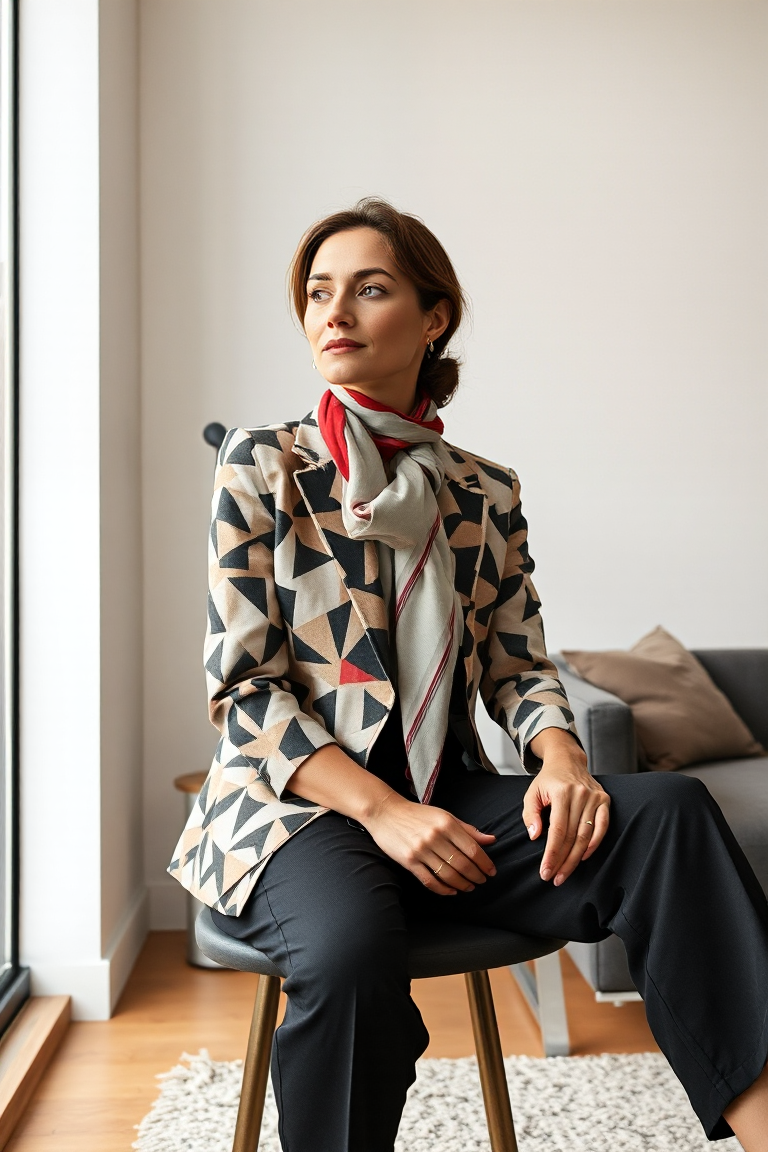
Colour is everything when it comes to wearing patterns with confidence. Even the most well-chosen prints can clash if the colours don’t work together. The trick is to look for colour harmony—choose prints that share a common colour or palette. For instance, a blue floral dress can pair beautifully with a red and blue polka-dot scarf because both feature blue, creating a cohesive look. I’ve learned to pay attention to the undertones in my prints—warm tones like rust, mustard, and terracotta work well together, while cool tones like navy, lavender, and mint create a more refined, modern feel. When I’m unsure, I’ll use a colour wheel to guide me—complementary colours (opposite each other) create drama, while analogous colours (next to each other) offer a softer, more harmonious look. Matching colours across your outfit creates unity, even when the patterns are different.
Layer with Intention
Layering is where patterns truly come alive. A simple shirt under a patterned blazer, or a printed dress layered over a plain top, can add depth and dimension to an outfit without feeling cluttered. The key is to layer with purpose—each piece should have a clear role. I love pairing a lightweight printed trench with a solid-colour slip dress underneath, or layering a patterned cardigan over a plain t-shirt and jeans. This approach lets the pattern shine while keeping the overall look balanced. You can also use layering to play with scale—wear a large-scale print under a smaller one, or vice versa. The contrast in scale and texture creates visual interest, making the outfit feel thoughtfully curated rather than random. Just be mindful not to over-layer—three patterned pieces in one outfit can quickly become overwhelming.
Accessories Can Make or Break the Look
When it comes to prints, accessories can be your secret weapon. A patterned handbag, a bold scarf, or statement earrings can complement your outfit without requiring you to wear multiple prints on your body. I’ve found that a printed scarf tied around a tote or draped over the shoulders can pull an entire look together—especially when the colours in the scarf match those in your top or dress. Similarly, patterned socks or a printed belt can add a playful, intentional detail without overwhelming your silhouette. The key is to use accessories to echo or contrast the main print in a way that feels deliberate. If your outfit is already busy, keep accessories simple; if it’s mostly neutral, let the accessories add the pattern. It’s all about balance and intentionality.
Confidence Comes from Practice
Let’s be honest—confidence doesn’t come overnight. It builds over time, through trial, error, and a lot of self-awareness. I remember the first time I wore a full-on patterned jumpsuit to a friend’s birthday—it felt like a major risk. But I wore it with pride, paired it with simple gold hoops and nude heels, and ended up getting compliments all evening. That moment taught me that confidence isn’t about perfection; it’s about showing up as yourself, even when you feel a little uncertain. The more you wear patterns, the more you’ll understand what works for you, what makes you feel strong, and what you enjoy wearing. Confidence grows when you stop asking, “What will people think?” and start asking, “What makes me feel good?” It’s not about fitting in—it’s about standing out in a way that feels true to you.
Don’t Be Afraid to Mix and Match
One of the most liberating things I’ve learned is that there are no hard-and-fast rules when it comes to mixing patterns. While traditional fashion advice often tells us to stick to one print per outfit, I’ve found that combining different patterns—especially when they’re in complementary colours or different scales—can create a look that’s both bold and sophisticated. I’ve paired a houndstooth blazer with a striped shirt and a floral scarf, and the result was surprisingly cohesive. The key is to keep the colour palette consistent and to vary the scale of the patterns. A small-scale pattern can sit next to a larger one without clashing if the colours work together. And don’t be afraid to experiment—sometimes the most unexpected combinations turn out to be your favourite looks. Fashion is about self-expression, and mixing patterns is one of the most fun ways to express your individuality.
Make It Your Own
At the end of the day, fashion is personal. What works for someone else might not feel right for you, and that’s perfectly fine. The goal isn’t to follow trends blindly, but to use fashion as a tool to express who you are. I’ve learned that the most confident moments in my wardrobe aren’t when I’m wearing the latest thing, but when I’m wearing something that feels authentic, something that makes me feel like me. Whether that’s a bold graphic tee, a vintage floral dress, or a pair of wide-leg trousers with a geometric print, the key is to wear it with pride. Confidence isn’t about looking perfect—it’s about feeling comfortable in your own skin, and letting your style reflect that. So embrace the patterns, trust your instincts, and wear them like it’s your signature look. After all, you’re not just wearing clothes—you’re telling a story.
Frequently Asked Questions
Can you wear more than one pattern at a time?
Yes, you can wear more than one pattern at a time, but it’s important to keep the colour palette consistent and vary the scale of the patterns. Pair a small print with a large one, and make sure the patterns aren’t competing for attention—this creates balance and makes the look intentional rather than chaotic.
How do I choose a pattern that suits my skin tone?
Choose patterns with colours that complement your skin tone. Warm undertones look great with earthy tones like rust, olive, and mustard, while cool undertones suit shades like navy, lavender, and emerald. Look at the colours in your prints and see how they interact with your natural complexion.
Are certain patterns more flattering for certain body types?
Yes, certain patterns can be more flattering depending on your body type. Vertical patterns can elongate the silhouette, while horizontal stripes can add width. Small-scale prints are generally more flattering for petite frames, while larger prints work well for taller individuals. Choose patterns that enhance your natural shape.